
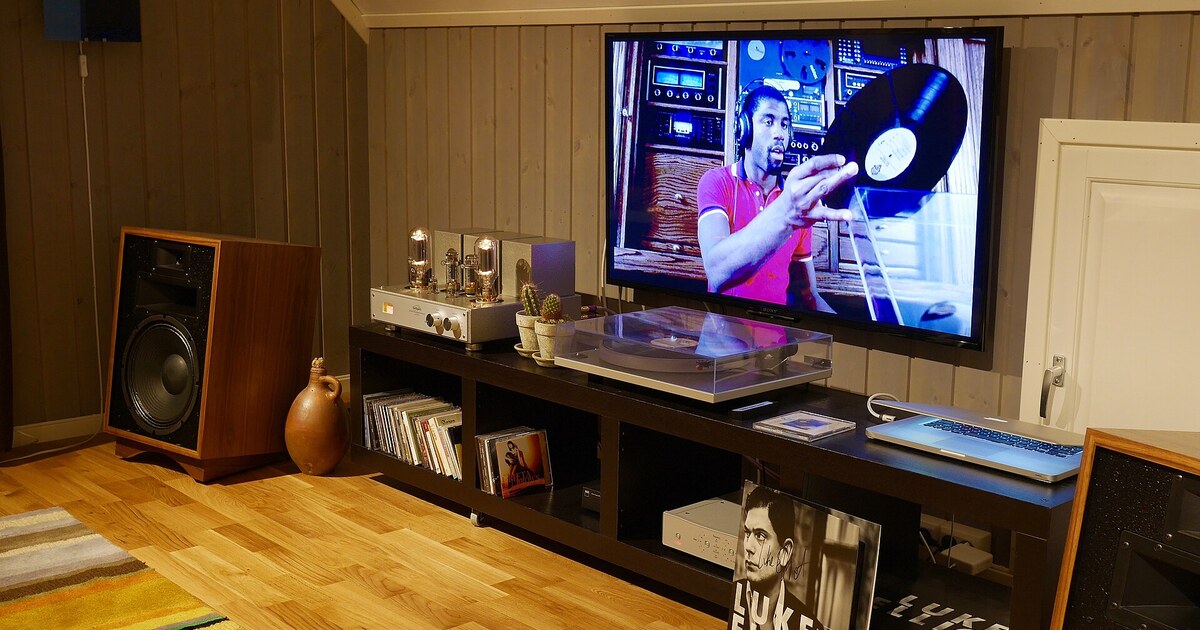
Entry vs reference: what you pay for
Sub-$1,000 hybrids (see our under-$1,000 tube amp guide) integrate phono stages, Bluetooth, and VU meters — convenience first. High-end separates invest in output transformers, power supplies, and circuit topology that scale with inefficient speakers and long listening sessions without fatigue.
Stereoindex and specialist dealers describe the jump as lower noise floors, wider soundstaging, and bass control that keeps tube warmth from becoming mud on rock dynamics — think crescendo-heavy Floyd or layered Britpop without compression collapse.
Reference picks for 2026
- PrimaLuna EVO 300 integrated — Flagship integrated with adaptive autobias, massive power reserves for hungry speakers, and build quality that justifies showroom auditions. Line input excellence for CD and stream via DAC; pair with external phono if vinyl is primary.
- Audio Note Meishu Phono 300B — Single-ended triode purity for vinyl-first systems — lower wattage, high sensitivity speakers required, magical midrange on vocal-forward rock and acoustic records.
- Line Magnetic LM-218IA — Chinese-built 845 SET power with Western tubes — value-forward high-end for listeners who accept SET limitations on bass slam in exchange for holographic mids.
- Luxman SQ-N150 — Japanese refinement, compact footprint, approachable high-end integrated for apartment listeners stepping up from hybrids without rack overhaul.
- McIntosh MC275 (modern reproduction) — Icon status, pentode power, classic VU aesthetic — rock-friendly watts with dealer network support for service-paranoid buyers.
Phono and source planning
Reference amps often omit phono stages — budget external MM/MC stages ($500–2,000+) when upgrading from vinyl-focused hybrids with built-in phono. CD and streaming via quality DAC into line input completes the system — see CD player vs transport for digital front-end choices.
Speaker pairing reality
845 and 300B SET amps need high-sensitivity speakers (90 dB+). PrimaLuna and McIntosh classes drive conventional floorstanders rock listeners already own. Mismatching low-sensitivity speakers with low-power SET is the most common expensive mistake — audition with your speakers or equivalents.
When high-end is worth it
Upgrade when hybrids clip on dynamic passages, noise floor annoys on quiet vinyl sides, or you have settled cartridges and turntables (vintage table guide) and the amp became the bottleneck. Not worth it if room treatment and speakers are still compromised — fix the chain upstream first.
Service and longevity
Reference amps assume periodic tube replacement and dealer service relationships — factor $200–500/year amortised maintenance on heavy listening. Buy from distributors with parts access; grey-market bargains hurt when output transformers fail.
Audition questions to ask in showrooms
Bring your problem tracks — compressed modern rock, quiet vinyl sides, bass-heavy prog — and listen at realistic volume, not showroom demo levels. Ask about tube life, bias procedures, and whether the demo unit matches the stock configuration you will receive.
Compare against your current hybrid side-by-side on the same speakers before paying reference prices. Sometimes the upgrade is subtle — wider stage, blacker silence between notes — rather than night-and-day. Subtle upgrades still matter on daily-driver systems you listen to for years.