
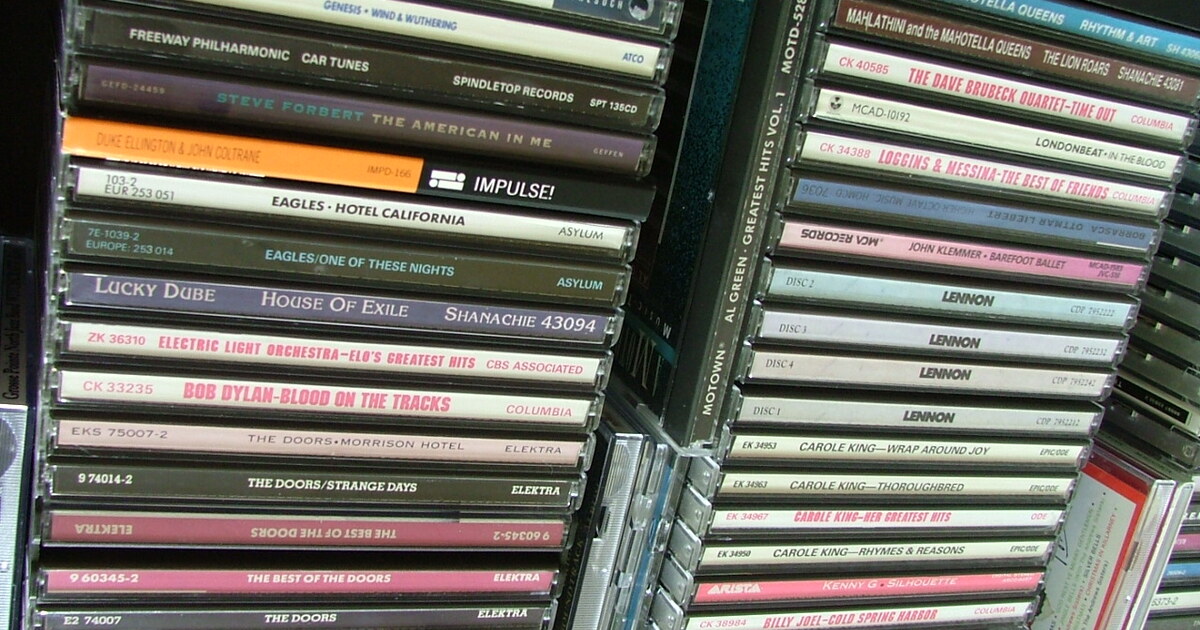
The H1 2026 numbers
Key stat: Luminate's midyear report shows 16.3 million CDs sold in H1 2026, up 16% year-on-year, while vinyl grew just 2.4% — with combined physical formats reaching 38.2 million units (+7.8%) per NME and Consequence.
This is the headline the industry did not expect a decade ago. CDs were written off as landfill nostalgia; now they are the fastest-growing major physical format in the US market. Revenue still favours vinyl on a per-unit basis, but CD's velocity signals fresh demand — not just catalogue clearance.
RIAA 2025 full-year shipment data still showed CD wholesale revenue down historically, while Luminate's point-of-sale tracking captures the retail surge — methodology differences matter when headlines conflict. For fans, the actionable read is simpler: more shops stock new CDs again, and artists schedule CD-exclusive content again.
K-pop and the packaging playbook
BTS's ARIRANG and broader K-pop campaigns turbocharged H1 CD charts, but the story does not end when K-pop cools: ex-K-pop CD sales still grew 6.7% in the same period. Photo cards, member variants, and jewel-case art directed at superfans proved that CDs could be merchandise engines, not merely audio carriers.
Rock and indie labels are copying the playbook — short runs, alternate sleeves, and bundled art prints that justify a physical purchase beyond streaming. Limited editions now represent a growing share of vinyl too, but CD's lower unit cost makes experimentation cheaper for fans.
Western rock acts touring Asia saw fans arrive with CD collections for signing — a cultural habit now bleeding into US and European markets as Gen Z normalises multi-format fandom. Expect more dual vinyl/CD release schedules on major indie labels through 2027.
Mass retail and the variant-cover strategy
Target and Walmart together drive roughly 30% of physical music sales through exclusive colour variants and bundled pricing, according to ecoustics.com's retail analysis. CDs fit big-box logistics: smaller, durable, impulse-friendly near checkout aisles.
Variant covers encourage multiple purchases from completionists — the same psychology fueling vinyl's coloured-pressings market, but at a price point teenagers can afford on allowance or part-time wages.
Big-box exclusives also introduce younger buyers to lossless audio quality when they eventually plug discs into proper systems — a funnel from merch purchase to hi-fi hobby that vinyl's higher price barrier sometimes blocks.
What it means if you still stream daily
The CD revival does not obsolete streaming; it complements it. Fans use Spotify or curated radio like 320kbps rock streams for discovery, then buy discs for albums they want permanently. Compare format trade-offs in our vinyl vs CD 2026 guide, then outfit playback with the best CD players of 2026 when you are ready to listen, not just collect.
Cassettes and the wider physical surge
CDs dominate headlines, but cassettes sold roughly 205,000 units in the same H1 2026 window — tiny yet persistent. The combined physical story is breadth: listeners want objects, not a single format winner. Indie labels test cassettes for ultra-cheap merch; majors focus CD and vinyl for margin.
For rock fans, CD remains the pragmatic catalog format — deep backlists from the 80s through 2000s flood used bins at £2–5, perfect for filling gaps cheaply while vinyl prices inflate on the same titles. That arbitrage fuels collector forums and local shop traffic independent of chart hype.
What labels and artists should watch
If you are an independent rock artist, the lesson is packaging parity: CDs are not afterthoughts again. Bundle lyrics booklets, live-session downloads, and signed inserts that justify MSRP above streaming tip jars. If you are a buyer, watch for reissues of albums that never got vinyl treatment — CD-only deep cuts from the 90s are appearing on boutique labels testing the waters.
Retailers stocking both formats report cross-shopping: customers who buy a CD exclusive often return for the vinyl deluxe months later. The formats reinforce each other when pricing stays disciplined and artificial scarcity does not alienate casual fans.