
Reissues, originals, and new pressings
Key stat: Limited editions now account for roughly 28% of vinyl sales per 2026 collector market analysis — but beginners should not start there. Modern reissues from labels like Rhino, Analogue Productions, and standard major-label pressings deliver clean sound at sane prices.
Original pressings can be magic — or wallet-draining rabbit holes. A VG+ original Britpop LP might cost triple a recent reissue with quieter surfaces. Until you trust your ear and cleaning routine, buy new or "180g reissue" editions from reputable retailers. Save original hunting for grail albums once you know what a warp looks like.
Weight and colour variants (180g, coloured vinyl) do not automatically mean better sound — they signal marketing and pressing-plant batch choices. Read reviews for specific reissue labels; Music On Vinyl, Analogue Productions, and first-party label pressings generally maintain QC standards worth the premium over random white-label pressings.
Where to buy: stores, online, and Discogs
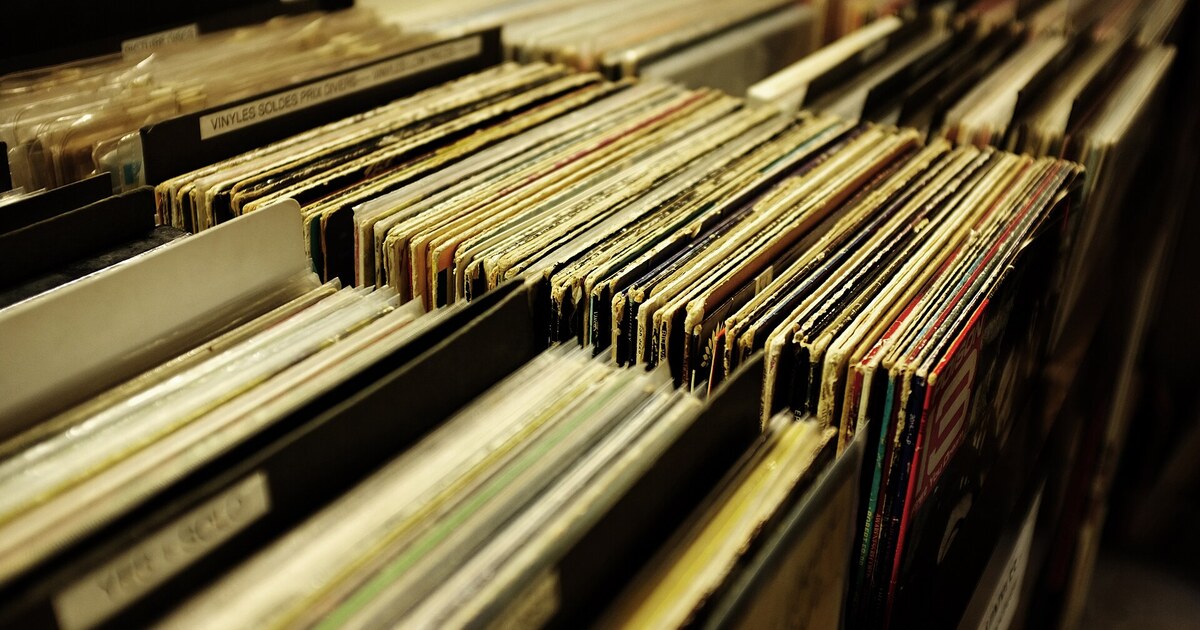
Local record stores remain the best classroom. You can inspect sleeve seams, hold weight, and ask staff about returns. Record Store Day and shop exclusives aside, everyday inventory covers classic rock, indie, and Britpop deep cuts that mirror what you hear on curated radio.
Online, Amazon and artist webstores handle new releases; Discogs dominates the secondary market with seller ratings and graded listings. Filter for Media Condition VG+ or better and read seller notes about surface noise. Avoid "no returns" listings until you are confident grading.
Record fairs reward patience — arrive early for bins, stay late for seller discounts. Bring a phone to check Discogs sold prices before overpaying for common classic rock titles that reissue every few years. Store loyalty beats chasing single-dollar online savings once you factor shipping and warped-mail risk.
Grading basics before you buy used
The Goldmine scale rules secondhand markets: Mint (M) through Poor (P), with plus/minus steps. For listening copies, target VG+ or NM- — audible surface noise should be minor, not dominate quiet passages. Hold records up to light to spot deep scratches; reject obvious warps that reflect like funhouse mirrors.
Price red flags include hype-driven resale on limited runs — some 2026 exclusives command 300–400% premiums within weeks. If a used copy costs more than a new reissue, pause and check Discogs sales history.
Clean before every play: carbon-fibre brush for dust, microfiber for sleeves, inner sleeves upgraded from paper to polyethylene reduces scuffs that accumulate with repeat handling. A £20 cleaning routine saves £200 in prematurely worn favourites.
Your first ten albums (rock-focused)
Build around albums you already play on repeat. Start with canonical LPs from our rankings — best Britpop albums and classic rock essentials — then add personal discoveries from Britpop radio or classic rock programming.
Suggested starter spread: one Britpop pillar (Oasis or Blur), one classic rock epic (Zeppelin or Floyd), one indie gateway (Radiohead or Arctic Monkeys), one prog adventure if curious, and fill the rest with £15–£25 reissues you will actually spin. Pair the shelf with a modest turntable and consider tube warmth via our best tube amps for vinyl guide when you are ready to upgrade playback.
Starter turntable and setup basics
Entry tables from Audio-Technica, Pro-Ject, and Fluance ship with cartridges matched to the arm — skip "audiophile" upgrades until you wear through your first stylus. Belt-drive designs dominate under £300 for lower motor noise; direct-drive appears more in DJ decks than beginner hi-fi.
Placement beats price: level surfaces, isolated from speaker vibration, and away from sunny windows that warp sleeves. A basic cork mat and clamp reduce static on dry winter days. Run through our format comparison if you are still weighing vinyl against CD for your first physical purchases — many collectors buy a turntable and a budget CD player within the same year.
Streaming still belongs in the workflow: use New Clear Radio and on-demand apps to audition before you buy vinyl. Physical collecting works best when every purchase is intentional — albums you would queue manually, not algorithm filler.