

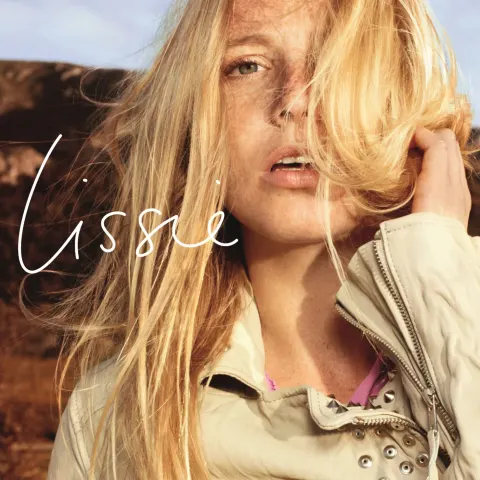
Lissie
Folk rock
ARTIST · FOLK / ROCK
Prophet cadence and blues cadence—language as instrument, harmony optional until the song demands it.
Updated
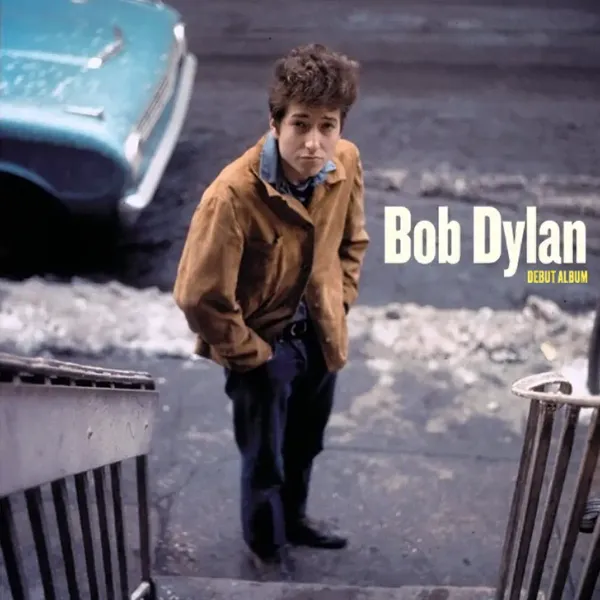
Bob Dylan rewired popular song by treating lyrics as literature in motion: protest clarity, surrealist collage, religious inquiry, bruised romance—voices swapped album to album without losing authorial spine.
His turn to electric rock in the mid-1960s scandalised purists yet expanded what guitar bands could say on airwaves built for simpler emotions.
Decades of revisiting arrangements live proved these songs aren’t museum pieces—they stretch, snap back, mutate.
On radio, Dylan remains a benchmark for wordcraft; playback that preserves vocal grain beats polish that sands his phrasing flat.
Born Robert Zimmerman in Minnesota, Dylan arrived in New York’s folk scene in 1961 and quickly became its leading songwriter. The Freewheelin’ Bob Dylan (1963) had Blowin’ in the Wind, a protest song that spoke for the civil rights movement.
In 1965 he turned to electric instruments with Bringing It All Back Home and Highway 61 Revisited, shocking some folk fans but altering rock. Blood on the Tracks (1975), Time Out of Mind (1997), and Rough and Rowdy Ways (2020) show how often he has returned to form. He has toured almost continuously since 1988 in what is called the Never Ending Tour.
Dylan has not announced a successor to Rough and Rowdy Ways or an end to touring, and his live schedule has continued to be announced a few months ahead.
For listeners
The latest Bob Dylan tracks on our stream.
More folk rock and americana on New Clear Radio.
Folk rock
Folk rock
Folk rock
Folk rock
Indie rock

Americana
Indie rock
Roots rock

ROCK NOSTALGIA · BUSINESS
Bruce Springsteen's catalog sold for roughly $500 million. Bob Dylan's publishing and masters combined approached $550–600 million. Pink Floyd's recorded-music rights fetched about $400 million in 2024. Old rock is no longer just culture — it is a billion-dollar asset class.
New Clear Radio · Live now
320kbps crystal-clear streaming. Indie, Britpop, Prog, Alternative and Classic Rock — curated, not algorithmic.