

Rod Stewart
Rock
ARTIST · ROCK / POP
Microphone stand as sceptre—four-octave mischief bridging music hall, metal, and disco without apology.
Updated
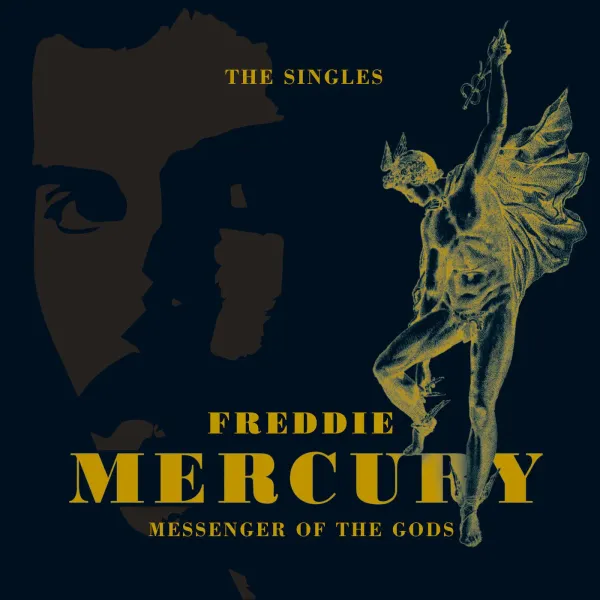
Freddie Mercury’s songwriting alternated between piano ballad vulnerability and stadium stomp calculated for Wembley skies.
Vocal layering experiments on Bohemian Rhapsody predicted pop production ambitions years ahead of digital convenience.
Solo outings like Barcelona with Montserrat Caballé proved classical ambition could coexist with rock stardom.
Remastered streams expose choir stacks, tape generations, and Mercury’s intimate closeness on softer takes.
Born Farrokh Bulsara in Zanzibar in 1946, Mercury moved with his family to England as a teenager and joined the band that became Queen in 1970. He wrote Bohemian Rhapsody, Killer Queen, Somebody to Love, and Don’t Stop Me Now, and his wide vocal range and flamboyant stagecraft made him one of rock’s greatest frontmen. His 1985 Live Aid set is widely regarded as one of the great live performances.
His solo work includes Mr. Bad Guy (1985) and Barcelona (1988), an operatic collaboration with soprano Montserrat Caballé. He died in November 1991, and the Mercury Phoenix Trust was founded in his memory to fight HIV/AIDS. The 2018 film Bohemian Rhapsody brought a new generation to Queen.
For listeners
The latest Freddie Mercury tracks on our stream.
More rock and pop on New Clear Radio.
Rock
Rock
Rock
Rock
Rock
Rock
Roots rock
Pop
New Clear Radio · Live now
320kbps crystal-clear streaming. Indie, Britpop, Prog, Alternative and Classic Rock — curated, not algorithmic.