
What all-in-one systems do well
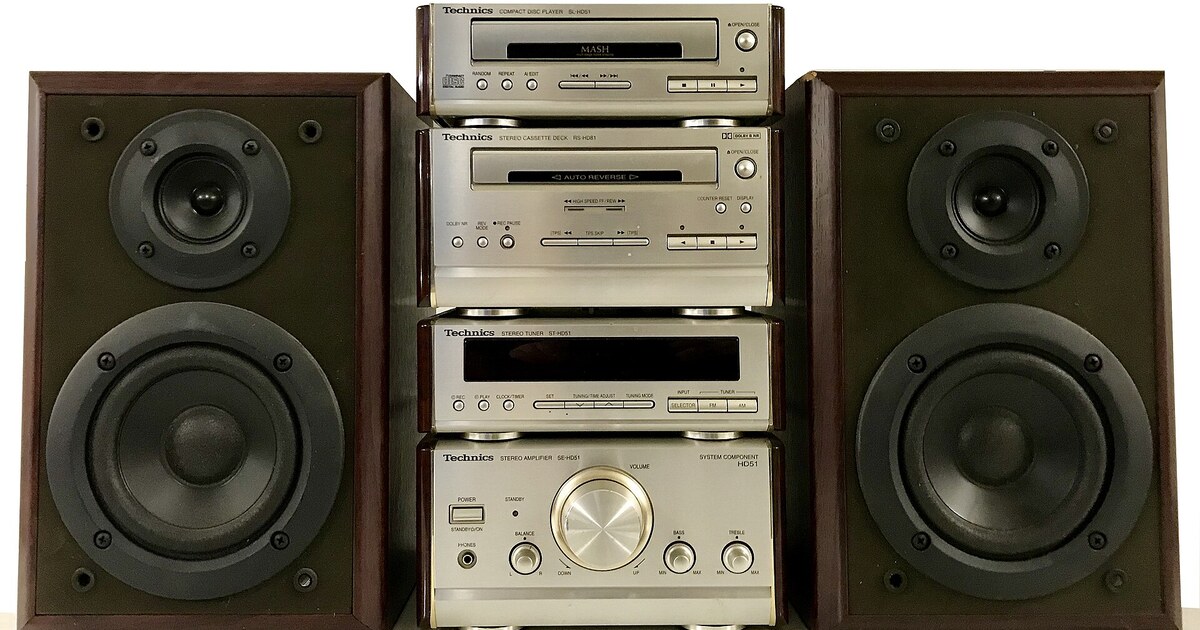
Flagship all-in-ones like the Technics Ottava SC-C70MK2 integrate CD transport, streaming, amplification, and speakers engineered to work together — one remote, one power cable, minimal partner friction. Rolling Stone's 2026 roundup highlights Ottava as the benchmark when floor space and aesthetics trump tinkerer's flexibility.
For apartments and first homes, all-in-ones eliminate the "which cable?" paralysis that stalls purchases. You unbox, plug in, play the CDs you bought during the 2026 resurgence, and listen the same day.
Partner acceptance factor is real — one attractive box beats cable spaghetti behind a rack of separates. Ottava-class systems target design-conscious buyers who would never mount a full rack in a living room.
Where all-in-ones compromise
Cheap "10-in-1" units are a different category — review measurements on budget combos show clock instability and tracking issues that audibly smear transients compared with dedicated CD transports per RevieHub's 2026 testing notes. You save space but sacrifice headroom for future amp or speaker upgrades.
When the amplifier or speaker section becomes the weak link, you replace the entire chassis — sunk cost that separates avoid.
Repair economics differ: separates let you service a failed CD transport without junking amplifiers you love. All-in-one service often means factory returns or whole-unit replacement — check warranty terms before buying.
Separates: flexibility and upgrade paths
Buying a budget CD player, a tube integrated amp, and passive speakers lets you upgrade one leg at a time. Swap the player when you want better DAC isolation; swap the amp when vinyl joins the system; swap speakers when you move to a larger room.
Separates also suit mixed sources — turntable on tube phono, CD on line input, TV optical into DAC — without paying for features bundled into a lifestyle box you will not use.
Decision framework by listener type
Choose all-in-one if: you want CD + streaming + radio today, dislike component shopping, and accept that the next upgrade replaces everything. Technics Ottava-class hardware is the safe tier — not generic shelf systems.
Choose separates if: you already own speakers or amps, plan to add vinyl, or want audiophile scaling from the 2026 CD player rankings upward. Gen Z buyers who skipped players entirely should start separates at budget tier — see our CD player explainer — then expand when collection size justifies better gear.
Hybrid paths worth considering
Some buyers start all-in-one, then add a dedicated CD player later via auxiliary inputs when the collection outgrows the built-in transport. Others buy separates first and add a streaming bridge (Chromecast, AirPlay DAC) without replacing the amp — modularity wins long-term.
Rock listeners with mixed libraries — 200 CDs and growing vinyl — almost always land on separates with multi-input amps. The decision is not forever; match today's budget and shelf space, then upgrade when unplayed discs shame you into better playback.
Total cost of ownership snapshot
Budget separates (CD player + amp + speakers) often land £600–900 new — comparable to one Ottava-class all-in-one but with upgrade headroom. Spread purchases across three months if needed: player first, used speakers second, amp when funds allow.
Factor streaming bridges separately if you need them; many buyers discover curated radio on phone speakers suffices until the CD collection justifies dedicated hardware — see our streaming fatigue piece for why both coexist happily.
Listening room checklist
Before buying either path, measure shelf space, count power outlets, and agree household rules on volume after 10pm. All-in-one systems win when aesthetics matter; separates win when the hobby expands into multiple rooms. Either beats phone speakers for the CD revival albums piling up unplayed.