
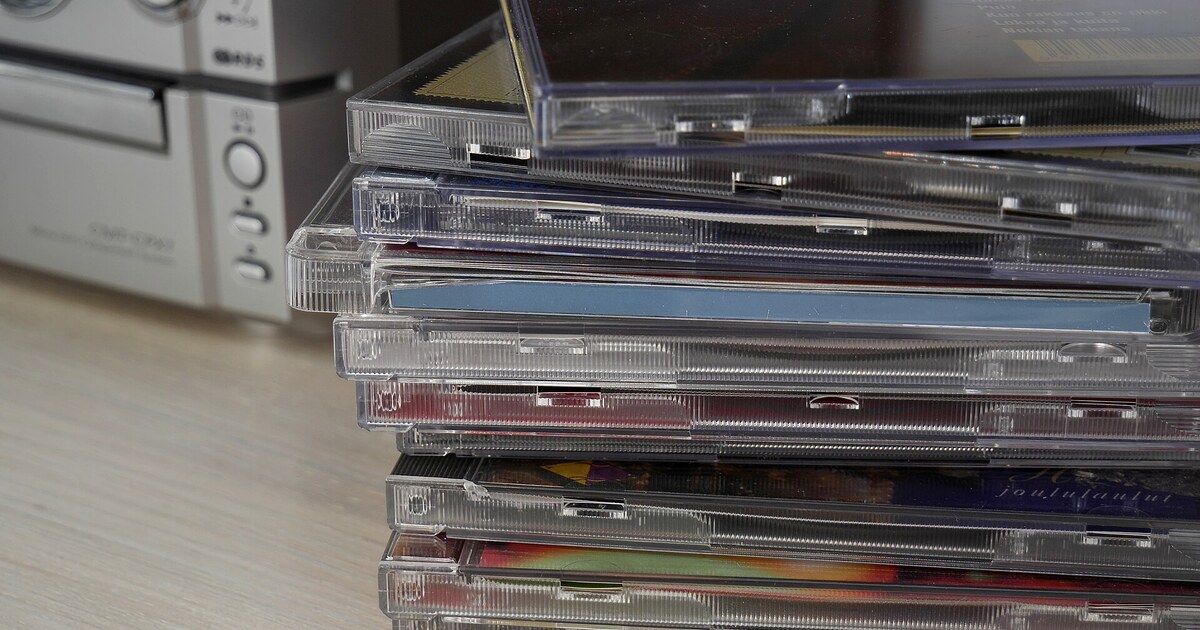
The CD-as-merch paradox
Key stat: NME reported that approximately half of Gen Z and millennial CD buyers lack a dedicated player — a figure Luminate's consumer research echoes when describing purchases driven by "aesthetic ownership and direct financial support… as much as listening."
This is not irrational behaviour. Limited variant covers, photo-card inserts borrowed from K-pop packaging, and tour-exclusives turn CDs into tangible proof of fandom — similar to how many vinyl buyers display records they rarely spin. The disc is a physical receipt that streaming's monthly debit cannot replicate.
The parallel with vinyl decor culture is deliberate. Surveys cited by lifestyle outlets note that a significant share of Gen Z vinyl buyers also lack turntables — CDs simply compress the same impulse into a smaller, cheaper object. Tour merch tables moved from tees-only to multi-format bundles because discs photograph well for social posts and fit in tote bags without warping.
Streaming access did not kill the impulse to own
Spotify and Apple Music solved discovery; they did not solve attachment. When a favourite album disappears from a playlist or a remix never reaches your region, collectors feel the gap. CDs — like vinyl — guarantee the bits on the disc remain yours regardless of licensing churn in the cloud.
Why tangible ownership still matters
Streaming offers access; CDs offer possession. In an era of playlist churn and library grey-outs, a disc on your shelf survives label licensing disputes. Fans cite "owning something tangible" as a top motivation in Luminate surveys of 16–27-year-olds, with average annual CD spend rising to $47.80 — up 28% since 2022 per industry marketing summaries.
Artists notice. Independent and major labels alike lean into short-run CD editions with alternate artwork, bonus tracks, and signed booklets because superfans will buy a format they treat as memorabilia. Supporting an artist directly — especially via physical purchases that chart — remains one of the few levers listeners control.
Rock and indie bands adopted K-pop's variant playbook faster than expected: coloured discs, alternate track orders, and bundled zines that justify buying the same album twice. Even without spinning the disc, buyers participate in release-week chart mechanics that still influence radio and playlist placement — a feedback loop streaming alone cannot replicate.
When you actually want a CD player
If your shelf is filling with sealed jewel cases, you are leaving fidelity on the table. CD is 16-bit/44.1 kHz lossless PCM — bit-perfect compared with most streaming tiers, and often mastered with more headroom than compressed DSP versions. A £150–£250 player transforms discs from décor into a listening source that beats phone speakers and laptop DACs.
Start cheap: our best budget CD players under $300 guide covers Cambridge and Marantz entry models that punch above their price. Want an all-in-one living-room solution? Read all-in-one vs separates before you commit.
Used CD players from the 1990s can work, but laser assemblies degrade. A new budget unit with warranty beats gambling on thrift-store finds unless you enjoy repair projects. HDMI and streaming features are unnecessary for pure CD playback — analogue RCA to your amp is the signal path that matters.
From collector to listener in one purchase
You do not need audiophile pretensions to justify a player — just the intent to spin what you already bought. Connect a budget CD player to any powered speakers or an existing amp and you have a friction-free path off the algorithm treadmill for albums you already love on high-quality radio.
The CD revival's surprise is that growth and playback gear sales need not move in lockstep. Collect first if you must; add a player when the stack of unplayed albums starts to nag. See the full market context in our CD comeback explainer and vinyl vs CD comparison.
Social proof and chart mechanics
Buying a CD at Target still registers in Luminate data even if it sits unopened — labels know this and price accordingly. Fans mobilise release-week purchases to push artists up charts that radio programmers still monitor. Understanding the mechanic explains behaviour that looks irrational from pure audio utility: the purchase is partly civic support for an artist's career trajectory.
Photo opportunities matter too — unboxing videos and shelf displays spread discovery faster than playlist adds among friend groups. CDs fit dorm desks and bedroom shelves where turntables feel intimidating or expensive to roommates.