

The Stranglers
Punk rock
ARTIST · PUNK / ROCK
Buzzsaw guitars, dubwise spaces, and manifesto hooks—the band that proved punk could sprawl without selling out.
Updated
The Clash turned three-minute fury into albums that roamed reggae, ska, and soul without losing their sneer.
Joe Strummer and Mick Jones traded lines like debate partners, while Paul Simonon’s basslines carried melodic weight uncommon in punk.
Their influence underpins every station that still rotates politically sharpened rock alongside party anthems.
Remastered streams expose tape hiss, room ambience, and overdriven tweeters—sonic evidence of a band recorded hot on purpose.
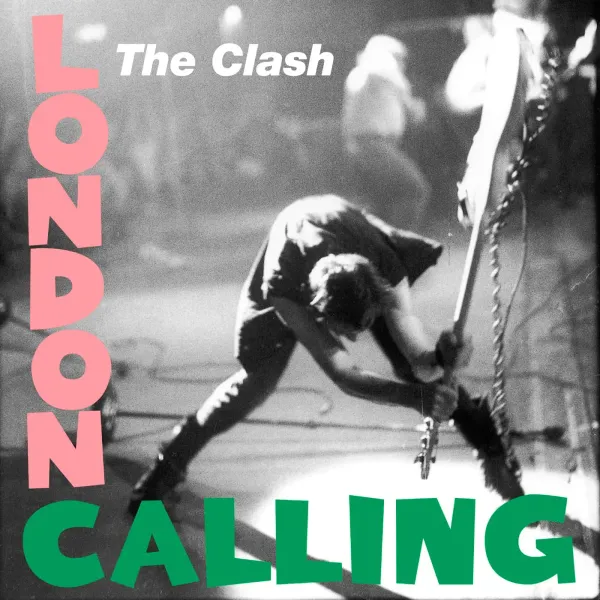
Joe Strummer, Mick Jones, Paul Simonon, and drummer Topper Headon formed the classic Clash lineup after the 1976 punk explosion. Their debut The Clash (1977) was raw, but London Calling (1979), a double album, drew on reggae, ska, rockabilly, and jazz. Its cover, showing Simonon smashing his bass, is one of rock’s defining images.
Sandinista! (1980) pushed even further into dub and world music, and Combat Rock (1982) brought Rock the Casbah and Should I Stay or Should I Go to a wide audience. Strummer died in 2002, shortly before the band's induction into the Rock and Roll Hall of Fame.
For listeners
The latest The Clash tracks on our stream.
More punk rock and new wave on New Clear Radio.
Punk rock
New wave
New wave
Rock
Rock
Art rock
Punk rock
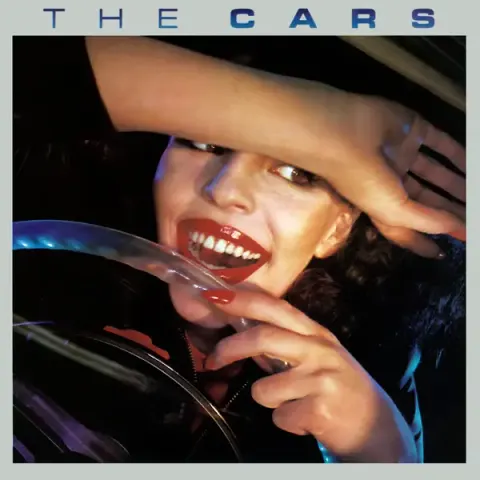
New wave
RANKING · BRITISH ROCK
Britain has produced more world-defining rock bands per capita than anywhere else on earth. Here's the definitive ranking — and the case for each one.

New Clear Radio · Live now
320kbps crystal-clear streaming. Indie, Britpop, Prog, Alternative and Classic Rock — curated, not algorithmic.