RANKING · BRITISH ROCK
The 30 Greatest British Rock Bands of All Time
Britain has produced more world-defining rock bands per capita than anywhere else on earth. Here's the definitive ranking — and the case for each one.
By NCR Editorial Published Updated 11 min read
Why Britain?
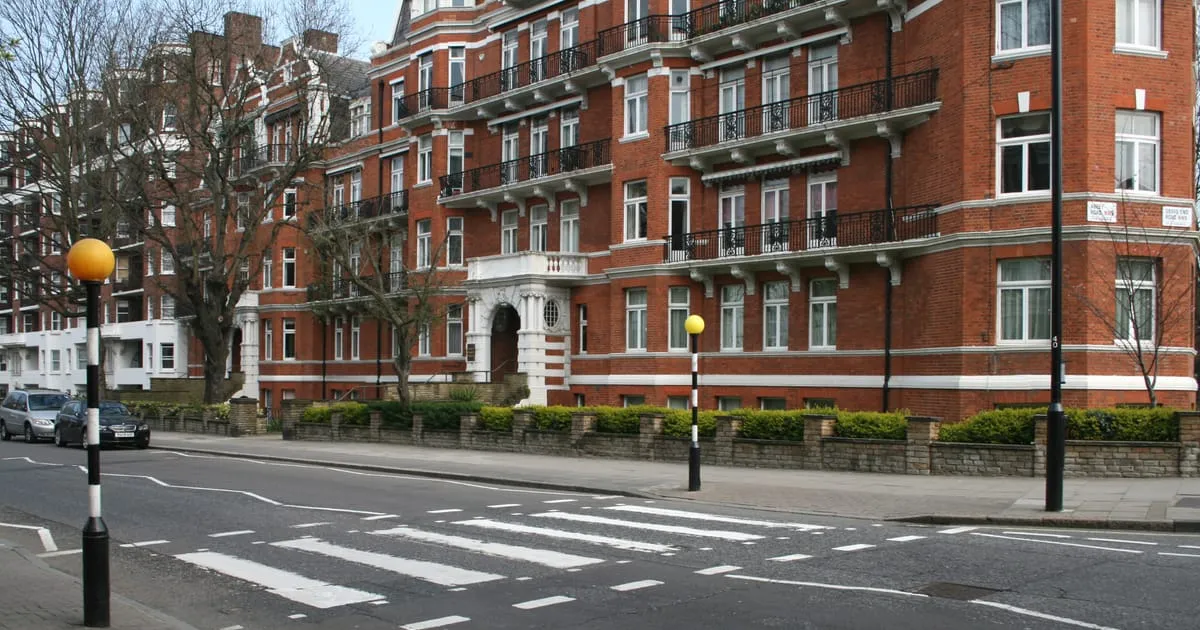
Postwar austerity, art-school proximity, and a national appetite for melody created laboratories for bands that treated the electric guitar as serious art. The BBC and pirate radio built shared listening moments; the pub circuit rewarded tight repertoires; London and Manchester exchanged rivalries that became scenes.
That combination exported brilliantly: American blues reforged in humid UK clubs returned across the Atlantic as new dialects of rock. The pipeline never really closed—only multiplied into Britpop, shoegaze, and beyond.
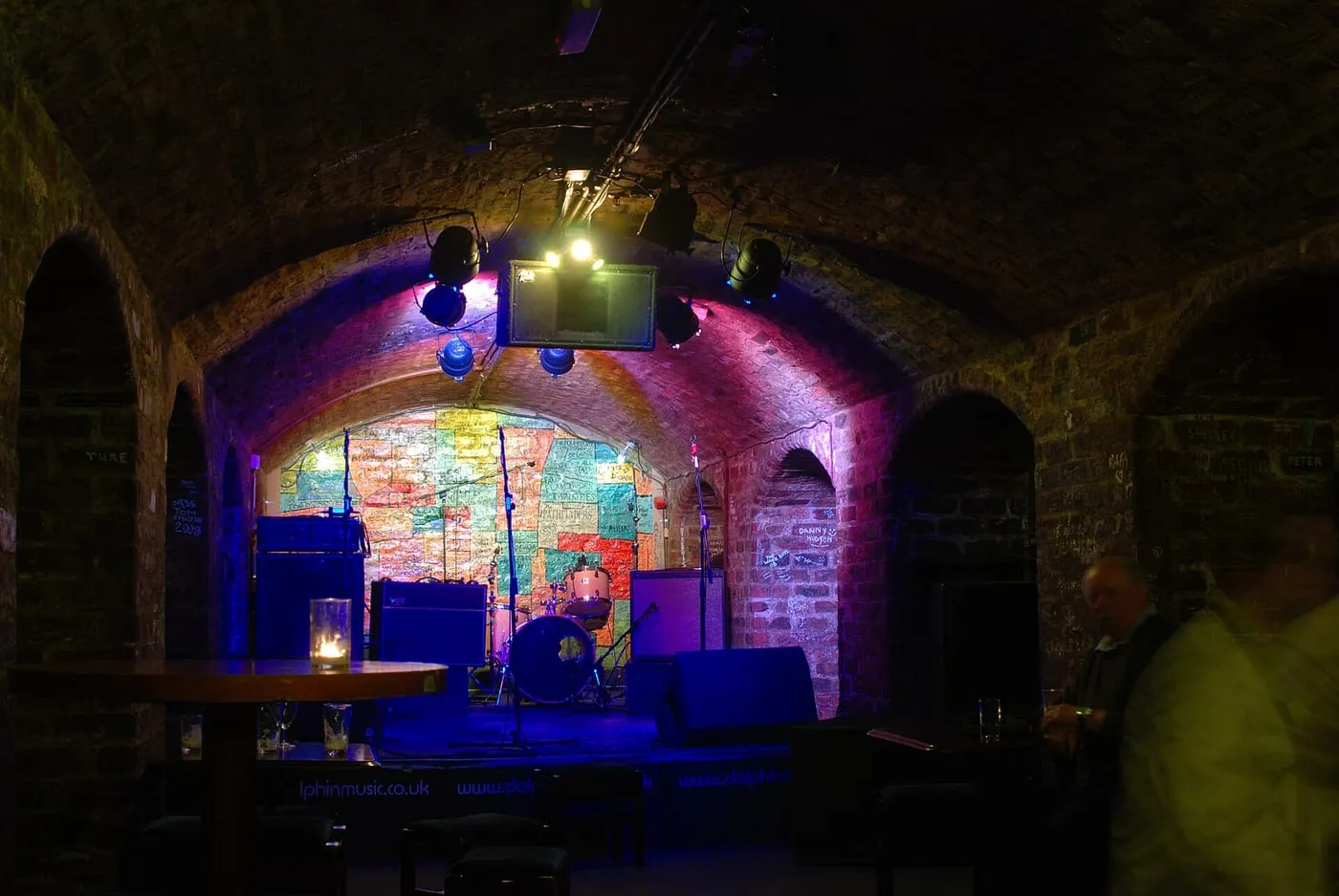
The Cavern Club on Mathew Street, Liverpool, rebuilt in 1984 on part of the site of the cellar where the Beatles played almost 300 shows. Photo: George M. Groutas, CC BY 2.0, via Wikimedia Commons.
How we ranked them
Sales alone would make this a very short argument. Instead we weighed four things: how much each band changed the bands that came after them, how deep the catalogue runs beyond the hits, how long they kept making records that mattered, and how well those records hold up when you actually sit down and play them today. Solo artists who led a band in all but name, like David Bowie, are in. One-album wonders, however brilliant, are not.
1–10: The bands that built British rock
1. The Beatles (1960–1970)
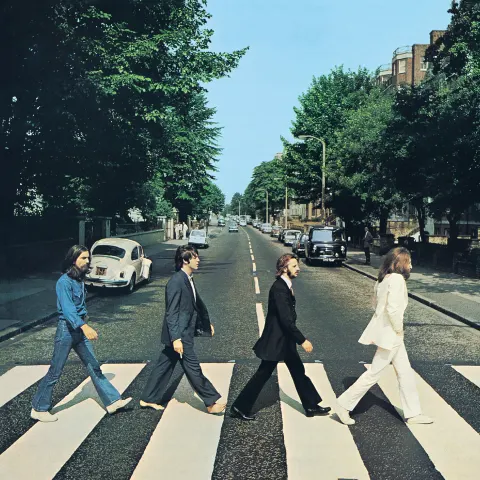
No act rewired pop's DNA faster. In one decade they normalized studio experimentation, melodic risk, and collective songwriting at a scale that still feeds every guitar band. They went from Hamburg club sets and Liverpool lunchtime shows to inventing the modern album in under five years, and every band below owes them something.
Start with: Revolver (1966), Abbey Road (1969), "A Day in the Life".
2. Led Zeppelin (1968–1980)
They merged blues vocabulary with folk mystique and sheer volume, proving rock could be both primal and orchestral. Jimmy Page's production, Robert Plant's howl, John Paul Jones's arrangements and John Bonham's drums made a sound no one has copied convincingly. The band ended when Bonham died in 1980, and they never really replaced him. Their influence shows up in every subsequent loud band.
Start with: Led Zeppelin IV (1971), Physical Graffiti (1975), "When the Levee Breaks".
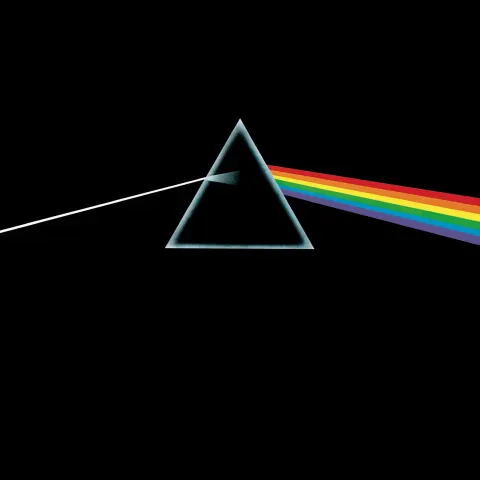
3. Pink Floyd (1965–1995)
Concept albums, architectural sound design, and skepticism of fame itself—they bent rock into cinema. From Syd Barrett's psychedelic singles to The Dark Side of the Moon, which stayed on the US album chart for years on end, Pink Floyd made records that work as one continuous piece. Few catalogues reward headphone listening more.
Start with: The Dark Side of the Moon (1973), Wish You Were Here (1975).
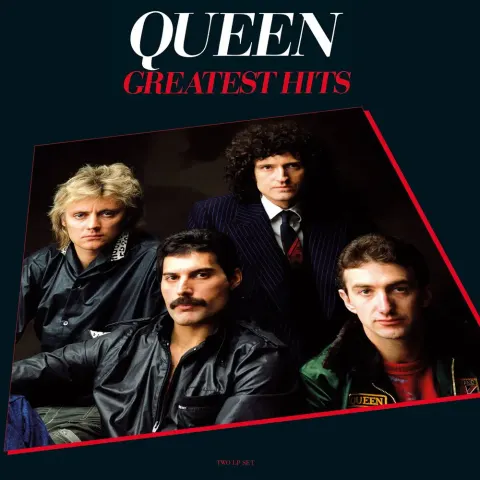
4. Queen (1970–1991)
Theatricality, vocal range, and arena precision in one package. Freddie Mercury's voice, Brian May's home-built guitar and harmonies stacked dozens of times on tape made "Bohemian Rhapsody" possible, and their 20-minute Live Aid set in 1985 is still the benchmark for stadium performance. Their hits are ubiquitous, yet deep cuts still surprise on a hi-fi stream.
Start with: A Night at the Opera (1975), News of the World (1977).
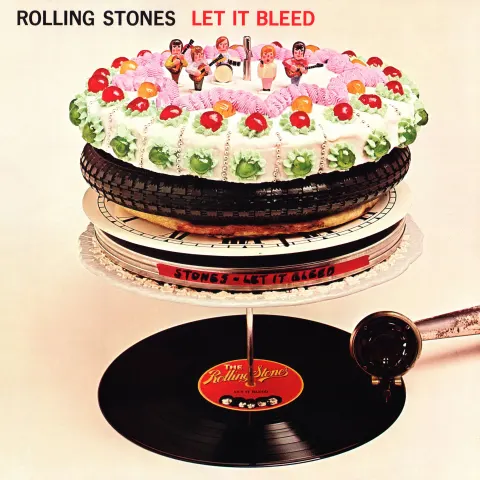
5. The Rolling Stones (1962–present)
Longevity as a creative argument: blues roots, disco experiments, and stubborn refusal to retire the electric guitar as a lead voice. The run from Beggars Banquet to Exile on Main St. is as strong as any four-album stretch in rock, and 2023's Hackney Diamonds proved Jagger and Richards could still write a riff worth hearing six decades in.
Start with: Sticky Fingers (1971), Exile on Main St. (1972), "Gimme Shelter".
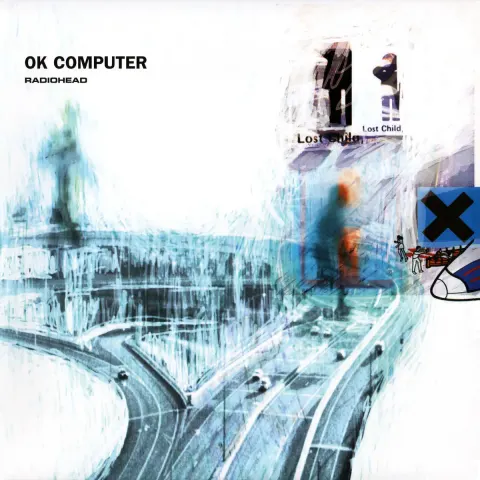
6. Radiohead (1985–present)
They inherited alternative's alienation and pushed it into digital dread, jazz harmony, and electronic texture without leaving rock behind. Formed at school in Abingdon, Oxfordshire, they followed the guitar heights of OK Computer with the left turn of Kid A, then released In Rainbows on a pay-what-you-want basis and changed how bands think about distribution.
Start with: OK Computer (1997), In Rainbows (2007).
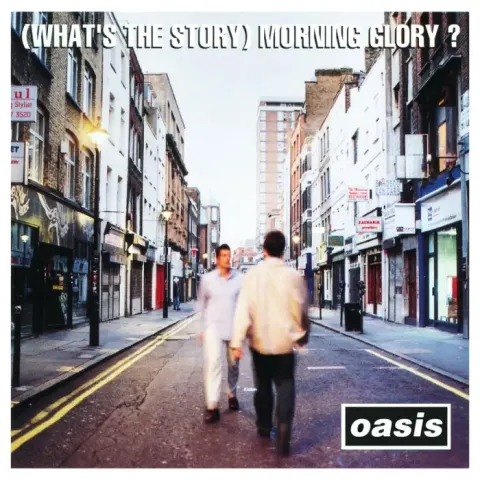
7. Oasis (1991–2009)
Britpop swagger with Beatles-sized ambition. Love them or not, they reopened the door for British guitar bands in the 1990s global charts. Definitely Maybe became the fastest-selling debut album in UK history at the time, the 1996 Knebworth shows drew around a quarter of a million people, and the band's sold-out 2025 reunion tour proved the songs still fill stadiums.
Start with: Definitely Maybe (1994), (What's the Story) Morning Glory? (1995).
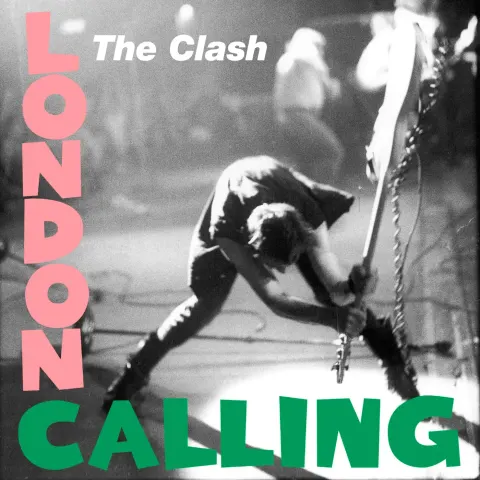
8. The Clash (1976–1986)
Politics, reggae friction, and punk discipline—proof that volume and message could coexist on singles built for both clubs and manifestos. Joe Strummer and Mick Jones turned punk's three chords into a world music: rockabilly, dub, ska and soul all fit inside the double album London Calling. "The only band that matters" was a slogan, but they made it sound true.
Start with: The Clash (1977), London Calling (1979).
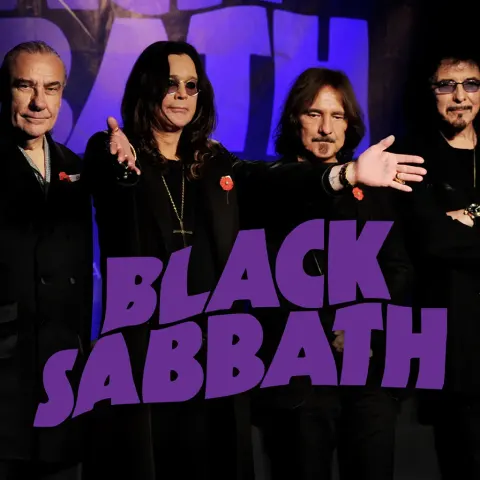
9. Black Sabbath (1968–2017)
Heavy metal's ground zero: tritone dread, working-class speed, and stagecraft that turned fuzz into folklore. Four musicians from Aston, Birmingham, tuned down, slowed down and found a sound heavier than anything before it. Tony Iommi lost the tips of two fingers in a factory accident and built a new way of playing around it, and every metal riff since carries a trace of that.
Start with: Paranoid (1970), Master of Reality (1971).
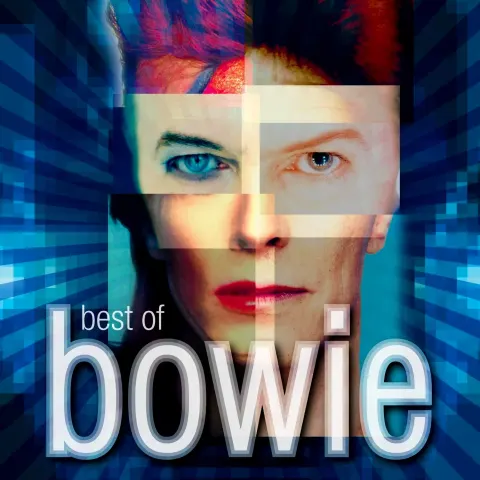
10. David Bowie (1969–2016)
Pop albums as science fiction—voices, personas, and arrangements that refused to sit still from glam through art-rock to Berlin-era minimalism. With the Spiders from Mars he made Ziggy Stardust; in Berlin he made "Heroes". He kept moving to the very end: Blackstar came out two days before his death in January 2016.
Start with: The Rise and Fall of Ziggy Stardust and the Spiders from Mars (1972), "Heroes" (1977).
Hear them on air: most of the bands on this list are in regular rotation on New Clear Radio, streamed at up to 320kbps and programmed by people, not an algorithm. Listen live now while you read the rest.
11–20: Mods, punks, post-punks and the new guard
11. The Who (1964–present)
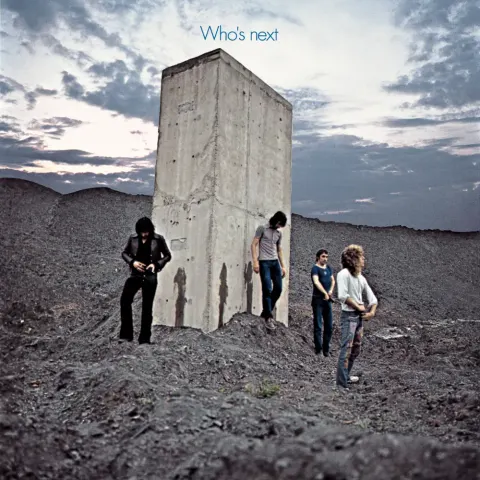
The loudest band of the mod era and the most ambitious. Pete Townshend smashed guitars and wrote rock operas; Keith Moon played drums like lead guitar; Roger Daltrey turned "My Generation" into a stammered threat. Tommy and Quadrophenia made the double concept album respectable, and Live at Leeds is still a contender for the best live rock record.
Start with: Who's Next (1971), Live at Leeds (1970), "Baba O'Riley".
12. Blur (1988–present)
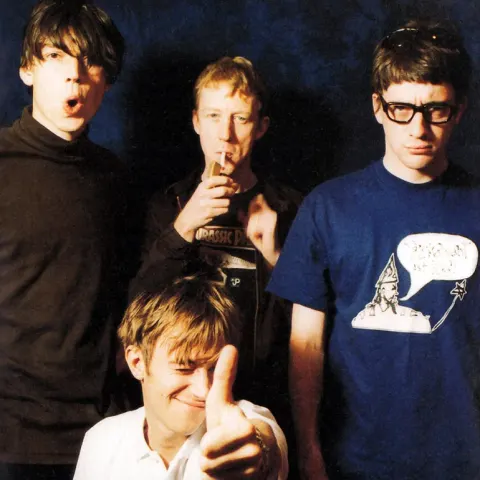
Damon Albarn's character sketches and Graham Coxon's restless guitar made Blur Britpop's sharpest observers. Parklife turned suburban England into pop art, then they swerved into lo-fi American noise with "Song 2". Their 2023 Wembley shows and The Ballad of Darren proved the partnership still works.
Start with: Parklife (1994), 13 (1999).
13. Pulp (1978–present)
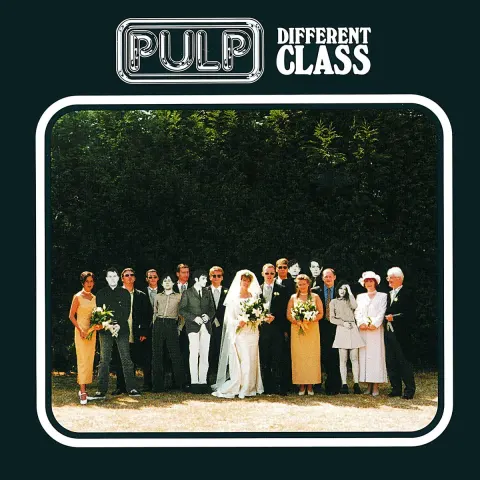
Formed by Jarvis Cocker as a Sheffield schoolboy, Pulp spent fifteen years in obscurity before becoming the most literate band of the Britpop era. Different Class won the Mercury Prize, and their 1995 Glastonbury set, played as a late replacement for The Stone Roses, is still talked about. "Common People" remains the best song ever written about class tourism.
Start with: His 'n' Hers (1994), Different Class (1995).
14. Muse (1994–present)
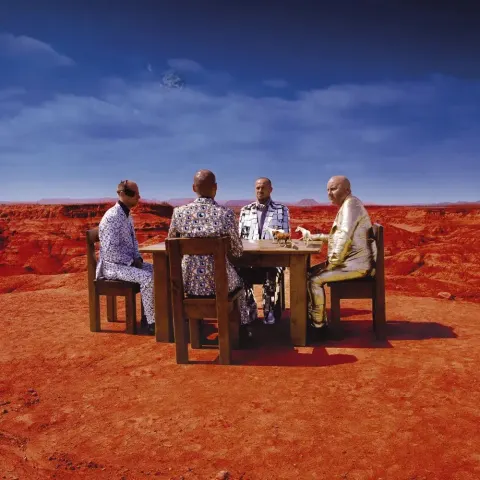
From Teignmouth in Devon, Muse took Radiohead's anxiety and played it at the volume of Queen. Matt Bellamy's falsetto, classical piano runs and guitar effects built one of the biggest live shows in rock, and The Resistance and Drones both won the Grammy for Best Rock Album.
Start with: Origin of Symmetry (2001), Absolution (2003), "Knights of Cydonia".
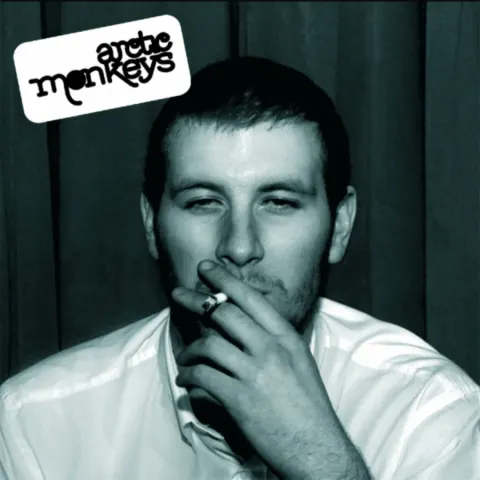
15. Arctic Monkeys (2002–present)
Four teenagers from High Green, Sheffield, built a following by giving their demos away, then released the fastest-selling debut album in UK chart history at the time. Alex Turner's lyrics went from nightclub queues to lunar hotel lounges, and the band has changed shape with almost every record without losing its audience.
Start with: Whatever People Say I Am, That's What I'm Not (2006), AM (2013).
16. Depeche Mode (1980–present)
From Basildon, Essex, Depeche Mode started as a synth-pop act and turned into one of the darkest, biggest stadium bands in the world. Martin Gore's songs and Dave Gahan's baritone gave electronic music the weight of rock, and "Personal Jesus" became a rock standard covered by everyone from Johnny Cash to Marilyn Manson.
Start with: Music for the Masses (1987), Violator (1990).
17. The Kinks (1963–present)
Dave Davies slashed his amplifier speaker to get the distorted riff of "You Really Got Me", and one of rock's first great power-chord riffs was born. His brother Ray then turned into the most English songwriter of the 1960s, writing about village greens, Waterloo sunsets and dedicated followers of fashion. Britpop is unthinkable without them.
Start with: Something Else by the Kinks (1967), The Kinks Are the Village Green Preservation Society (1968).
18. Sex Pistols (1975–2008)
One proper album, a handful of singles and a short, chaotic career were enough. "God Save the Queen" was banned by the BBC in Jubilee week 1977 and still reached number two, amid long-standing claims that the chart was fixed to keep it off the top. Their 1976 shows at Manchester's Lesser Free Trade Hall, organised by Buzzcocks, played to a small crowd that included future members of Joy Division and The Smiths.
Start with: Never Mind the Bollocks, Here's the Sex Pistols (1977).
19. Joy Division (1976–1980)
Ian Curtis's voice, Peter Hook's melodic bass and Martin Hannett's cold, spacious production made two albums that still define post-punk. The band ended with Curtis's death in May 1980, on the eve of their first US tour; the remaining members became New Order. Unknown Pleasures and its pulsar-wave sleeve are now as iconic as any record of the era.
Start with: Unknown Pleasures (1979), Closer (1980), "Love Will Tear Us Apart".
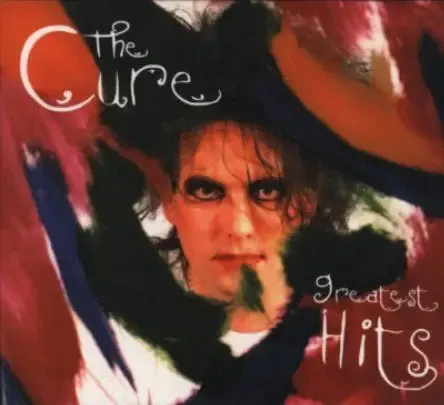
20. The Cure (1976–present)
Robert Smith's band from Crawley, West Sussex, moved between gothic gloom and perfect pop, sometimes on the same album. Disintegration is their masterpiece of slow-motion sadness; "Just Like Heaven" and "Friday I'm in Love" are among the happiest songs of the 1980s and 1990s. Songs of a Lost World (2024), their first album in 16 years, showed they had not lost the touch.
Start with: The Head on the Door (1985), Disintegration (1989).
21–30: Britpop's next wave and the heavy hitters
21. Suede (1989–present)
Brett Anderson's androgynous glamour and Bernard Butler's guitar arrived in 1992 and set the stage for Britpop before it had a name. Their debut album won the 1993 Mercury Prize, and Dog Man Star, recorded as the band fell apart, is one of the great dramatic British rock records.
Start with: Suede (1993), Dog Man Star (1994), "Animal Nitrate".
22. Supergrass (1993–present)
Three young Oxford musicians with sideburns and a Hammond organ, Supergrass made joy sound effortless. "Alright" made them famous, but the later albums show a band of serious songwriters and players, with Gaz Coombes's voice getting better with age.
Start with: I Should Coco (1995), In It for the Money (1997).
23. Elastica (1992–2001)
Justine Frischmann's band took the wiry guitars of Wire and The Stranglers and cut them into two-minute pop singles. Their 1995 debut was one of the fastest-selling first albums of the decade, and "Connection" and "Waking Up" still sound like nothing else from the Britpop years.
Start with: Elastica (1995).
24. Placebo (1994–present)
Brian Molko and Stefan Olsdal brought glam androgyny and alternative-rock guitars together in London in the mid-1990s. David Bowie was an early fan and recorded a version of "Without You I'm Nothing" with them. "Pure Morning" and "Every You Every Me" made them stars across Europe.
Start with: Without You I'm Nothing (1998), Sleeping with Ghosts (2003).
25. Kasabian (1999–present)
From Leicester, Kasabian mixed terrace-chant choruses with electronic beats and psychedelic production, and became one of the biggest festival headliners of the 2000s and 2010s. Since 2020, guitarist and songwriter Serge Pizzorno has also been their lead singer.
Start with: Kasabian (2004), West Ryder Pauper Lunatic Asylum (2009), "Club Foot".
26. The Verve (1990–2009)
The Verve started as a band of long psychedelic jams from Wigan and ended with Urban Hymns, one of the best-selling British albums of the 1990s. "Bitter Sweet Symphony" built a huge song on an orchestral sample, and "The Drugs Don't Work" gave Richard Ashcroft his first UK number one.
Start with: A Northern Soul (1995), Urban Hymns (1997).
27. Judas Priest (1969–present)
From Birmingham, like Black Sabbath, Judas Priest gave heavy metal its twin-guitar attack, its leather-and-studs look, and in Rob Halford one of its greatest voices. British Steel turned metal into tight, radio-friendly anthems without losing any of its weight.
Start with: British Steel (1980), Screaming for Vengeance (1982).
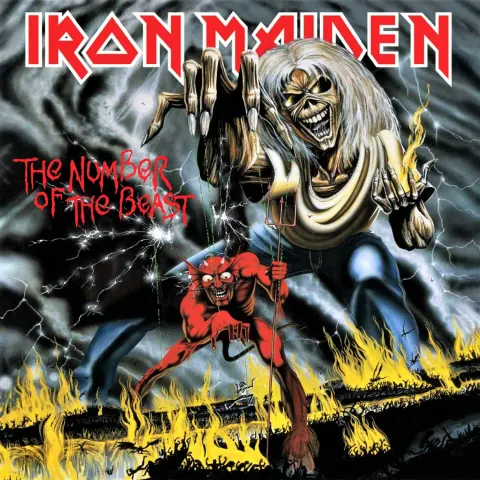
28. Iron Maiden (1975–present)
Founded in East London by bassist Steve Harris, Iron Maiden led the New Wave of British Heavy Metal and built one of the most loyal fan bases in music. Galloping bass lines, three-guitar harmonies, history lessons set to music and their mascot Eddie made them a world tour on their own. Singer Bruce Dickinson even flew the band's tour plane.
Start with: The Number of the Beast (1982), Powerslave (1984).
29. Deep Purple (1968–present)
Ritchie Blackmore's guitar against Jon Lord's distorted Hammond organ gave Deep Purple a sound halfway between hard rock and classical music. "Smoke on the Water" tells the true story of a Montreux casino burning down in 1971, and its riff is one of the first that almost every guitarist learns.
Start with: Machine Head (1972), Made in Japan (1972).
30. Status Quo (1962–present)
Easy to underrate and impossible to dislike, Status Quo turned a simple twelve-bar boogie into five decades of hits. Francis Rossi and Rick Parfitt opened Live Aid at Wembley in 1985 with "Rockin' All Over the World", a song that still sums up what British rock does best: make a crowd move.
Start with: Piledriver (1972), Hello! (1973).
Why British rock still leads
British bands still treat the album as a statement, the single as argument, and regional identity as fuel. Whether you chase legends or contemporary acts, New Clear Radio sequences them with the same respect for dynamics that the best British studios baked into the masters.
Want more? Read our history of indie rock, rank the best Britpop albums, or go straight to the top 50 Britpop songs. Or skip the reading and hear British rock live on New Clear Radio.
Hear these bands on New Clear Radio
The Beatles
Rock
Pink Floyd
Progressive rock
Queen
Rock
The Rolling Stones
Rock music
Radiohead
Alternative rock
Oasis
Britpop
The Clash
Punk rock
Black Sabbath
Heavy metal
David Bowie
Art rock
The Who
Rock
Blur
Britpop
Pulp
Britpop
Muse
Alternative rock
Arctic Monkeys
Indie rock
The Cure
Gothic rock
Iron Maiden
Heavy metal