

Fine Young Cannibals
New wave
ARTIST · NEW WAVE / SOUL
Horn stacks, Celtic fiddle swagger, and manifestos worn like brass-section armour.
Updated
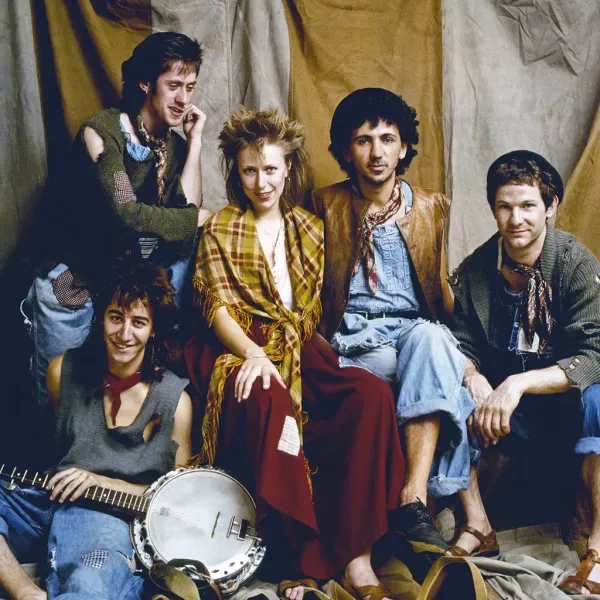
Dexys Midnight Runners chased authenticity through constant reinvention—ragged soul urgency giving way to rustic romanticism.
Come On Eileen became an accordion-soaked singalong that overshadows deeper Rowland narratives worth rediscovering.
Their horn arrangements and rhythm-section punch influenced British bands unafraid to marry Motown discipline with post-punk nerve.
Detailed streaming keeps fiddle attack, upright bass thump, and brass blends from smearing together.
Kevin Rowland formed Dexys in Birmingham with a vision of soul music played with the energy of punk. Searching for the Young Soul Rebels (1980) included Geno, a tribute to the soul singer Geno Washington that reached number one in the UK.
For Too-Rye-Ay (1982) the band added fiddles and dressed in dungarees and bandannas, and Come On Eileen reached number one in both the UK and US. The follow-up Don’t Stand Me Down (1985) was a commercial failure but has since been praised as a masterpiece. Rowland returned with One Day I’m Going to Soar (2012) and Let the Record Show: Dexys Do Irish and Country Soul (2016).
For listeners
The latest Dexys Midnight Runners tracks on our stream.
More new wave and soul on New Clear Radio.
New wave
New wave
New wave
Rock
Soul
Pop
Synth-pop
Art rock

New Clear Radio · Live now
320kbps crystal-clear streaming. Indie, Britpop, Prog, Alternative and Classic Rock — curated, not algorithmic.