Biography
The Rolling Stones formed in London in 1962 and grew into one of the most recognised rock groups in the world. From early rhythm-and-blues covers to original songs that reshaped popular music, the band channelled American blues and R&B through a distinctly British lens and helped define the sound and ambition of the 1960s rock explosion.
Mick Jagger and Keith Richards became the enduring songwriting partnership at the heart of the group’s identity, with Jagger’s charisma as frontman matched by Richards’ feel for guitar riffs and groove. Longtime bassist Bill Wyman and drummer Charlie Watts anchored decades of recordings and tours until their respective departures from regular touring (Wyman stepped back in the early 1990s; Watts died in 2021). Guitarist Ronnie Wood, a full member since the mid-1970s, brought fire and slide texture to the twin-guitar attack.
The band’s run of albums from the mid-1960s through the early 1970s—touchstones of rock songwriting and studio craft—cemented a reputation for combining pop hooks with grit and menace. Singles and deep cuts alike became radio staples across generations, and the Stones proved that rock could stay culturally central long after its first wave.
Live performance remains central to their story: marathon sets, big stages, and a catalogue that balances crowd-pleasing hits with room for grittier, blues-rooted material. Whether you come to the music through their British Invasion era or later stadium tours, the through-line is a devotion to groove, tension, and the emotional lift of a well-played band in full flight.
On New Clear Radio, you’ll hear The Rolling Stones in context alongside indie, Britpop, prog, alternative, and classic rock—curated listening with stream quality up to 320kbps, so the punch of the rhythm section and the detail in the guitars come through the way they should.
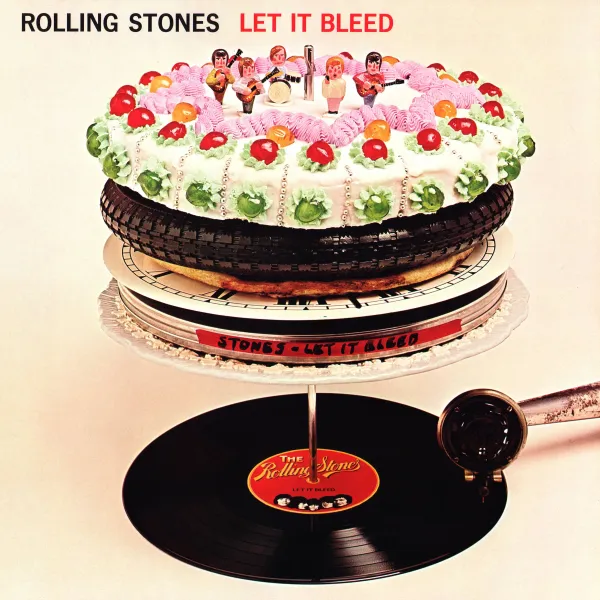
Mick Jagger and Keith Richards met again on a London train in 1961, and with Brian Jones, Ian Stewart, Bill Wyman, and Charlie Watts formed the Rolling Stones. Their early hits included (I Can’t Get No) Satisfaction in 1965. Beggars Banquet (1968), Let It Bleed (1969), Sticky Fingers (1971), and Exile on Main St. (1972) are often considered the peak.
Jones died in 1969 and was replaced by Mick Taylor, who left in 1974, and then Ronnie Wood. Wyman left in 1993, and Darryl Jones took over on bass. Later albums included Tattoo You (1981), Steel Wheels (1989), A Bigger Bang (2005), and Blue & Lonesome (2016), a blues covers album.
The band played the Super Bowl halftime show in 2006 and a free concert in Havana in 2016.
The band’s identity is as much visual as musical. The tongue-and-lips logo, designed by John Pasche in 1970 and first used on Sticky Fingers, is among the most recognizable symbols in rock. Brown Sugar, Gimme Shelter, Paint It Black, Start Me Up, and Miss You show how far the band could stretch the blues-based format across four decades of hits.