GENRE PAGE · NEW WAVE & ELECTRONIC ROCK
New Wave & Electronic Rock Radio — Depeche Mode, New Order & More
When rock bands discovered synthesizers, something strange and brilliant happened. This is the stream for everyone who never got over it.
By NCR Editorial Published Updated 1 min read
What is new wave?
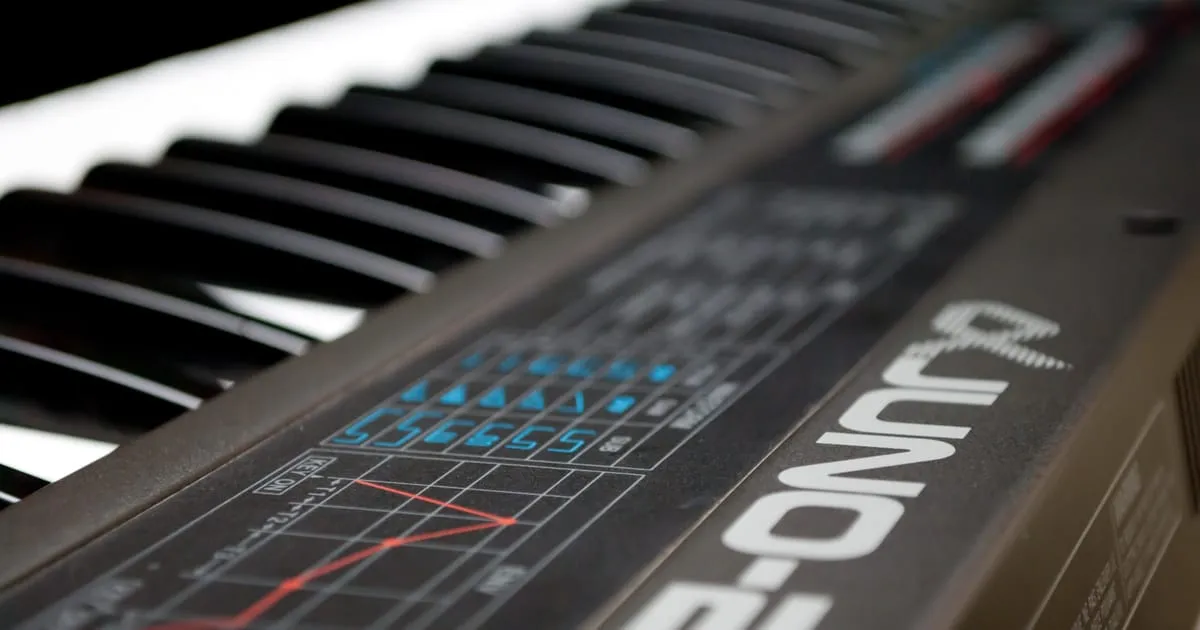
New wave is a late-1970s/1980s rock offshoot marrying punk brevity with synth colour, dance rhythms, and art-school irony. It absorbed electronics without fully surrendering guitars—producing twitchy, melodic songs that still sound modern on bright systems.
The new wave era: 1978–1988
As punk’s burnout accelerated, bands sought colder textures: analogue synths, sculpted treble, and fragmented funk beats. MTV visuals amplified the fashion, but the audio was the argument—tight mixes built for FM radios with fresh high-end sizzle.
Electronic rock: the 1990s and beyond
Darker alternative acts folded sequencers into rock dynamics; later bands crossbred Brit swagger with dance grooves. The through-line is deliberate production: synthetic layers plus human drums and guitars.
What you'll hear on New Clear Radio
Featured artists include: Depeche Mode, New Order, The Cure, Talking Heads, Blondie, Kasabian, Supertramp, Gary Numan, Orchestral Manoeuvres in the Dark, Placebo.
New wave vs synth-pop — the distinction
Synth-pop foregrounds keyboards and often minimises guitar; new wave keeps guitars in the rhetorical mix even when synths lead press photos. The border blurs—New Clear Radio programs for continuity of mood, not taxonomic purity.
Why electronic rock sounds exceptional at 320kbps
Synthesizer filters and stereo delays smear first when lossy codecs run lean. High bitrate preserves zipper-noise-free sweeps and ping-pong echoes—see why bitrate matters.
How to tune in
Fire up the player, max bitrate on Wi‑Fi, and enjoy the glassy highs the engineers actually printed.
New wave and electronic rock artists

Depeche Mode
Synth-pop
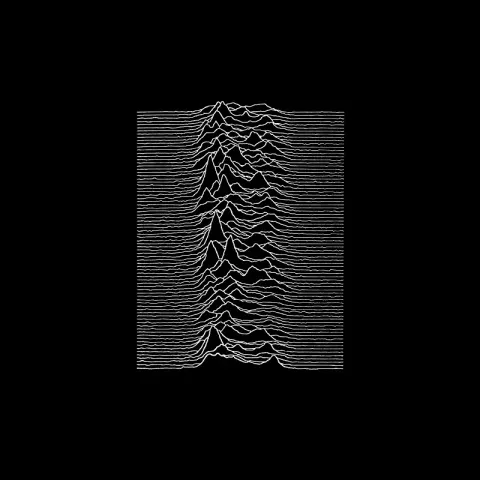
Joy Division
Post-punk
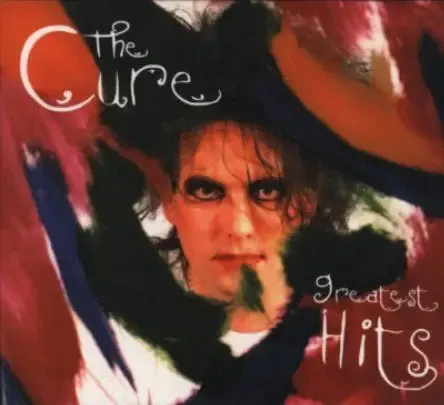
The Cure
Gothic rock

David Bowie
Art rock

U2
Rock

The Clash
Punk rock